What you eat– and when you eat it– can affect how you feel and perform during your workout. The good news? You don’t need to overcomplicate it. The goal is simple: Give your body enough fuel to train well, provide the protein needed to support muscle, and choose foods that sit well in your stomach.
BREAKFAST
After a full night’s sleep without eating, breakfast is a great opportunity to get some protein and start the day on the right foot.
Protein is important because it provides the amino acids your body needs to support muscle repair and recovery. Carbohydrates aren’t required at breakfast, but they can be helpful if you’re active in the morning or find yourself getting hungry quickly.
A balanced meal containing protein, carbohydrates, and healthy fats can help provide energy and keep you satisfied.
PRE-TRAINING MEAL
If you have 1.5–3 hours before your workout, aim for a balanced meal. Your priorities should be:
– Carbohydrates for energy
– Protein to support muscle
– Moderate fat for a balanced meal and satiety
– Moderate-to-low fiber if you’re prone to stomach discomfort during exercise
Some easy options include eggs and toast with fruit, Greek yogurt with berries and granola, chicken with rice and vegetables, or oatmeal with protein and fruit.
Think of your pre-workout meal as fuel, not a feast.
PRE-TRAINING SNACK
Only have 30–60 minutes before training? Keep it small, simple, and easy to digest. A combination of carbohydrates + protein works well.
Try:
– Banana + Greek yogurt
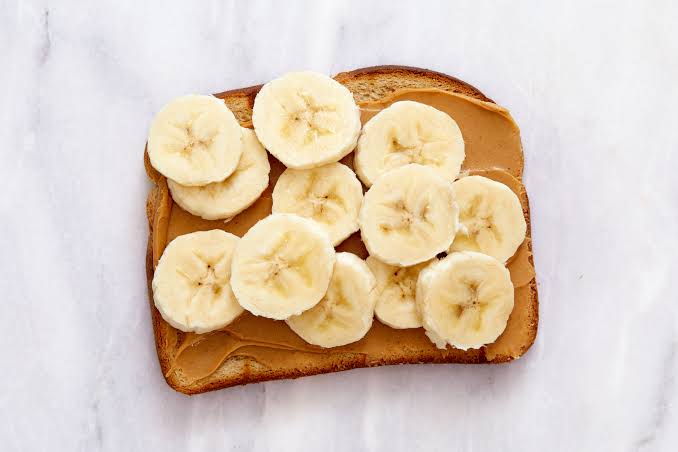
– Toast + peanut butter
– Applesauce + protein shake
– Greek yogurt + berries
The closer you get to your workout, the more you should prioritize foods that are easy on your stomach.
| When | What to Eat | Focus |
|---|---|---|
| Morning – 1.5–3 hrs before | Pre-training meal | Protein + carbs + moderate fat |
| Morning – 30–60 min before | Small snack | Protein + easy-to-digest carbs |
| After morning workout | Meal or snack | Protein + carbs |
| Afternoon/Evening – Breakfast | Balanced meal | Protein + carbs + healthy fats |
| Afternoon/Evening – 1.5–3 hrs before | Pre-training meal | Protein + carbs + moderate fat |
| Afternoon/Evening – 30–60 min before | Small snack | Protein + easy-to-digest carbs |
| After workout | Meal or snack | Protein + carbs + healthy fats |
| Before bed | Optional snack | Protein + fat; carbs optional |
WHAT ABOUT NIGHT WORKOUTS?
If your post-workout meal is going to be within 1–2 hours of bedtime, you don’t necessarily need another snack before bed. Your post-workout meal can serve both purposes.
PUTTING IT ALL TOGETHER
You don’t need to perfectly time every meal to get results.
Your overall calorie intake, protein intake, food quality, hydration, sleep, and consistency will have a much bigger impact than whether you ate your banana 30 or 45 minutes before your workout.
Use these guidelines as a starting point, then pay attention to how you feel and perform.
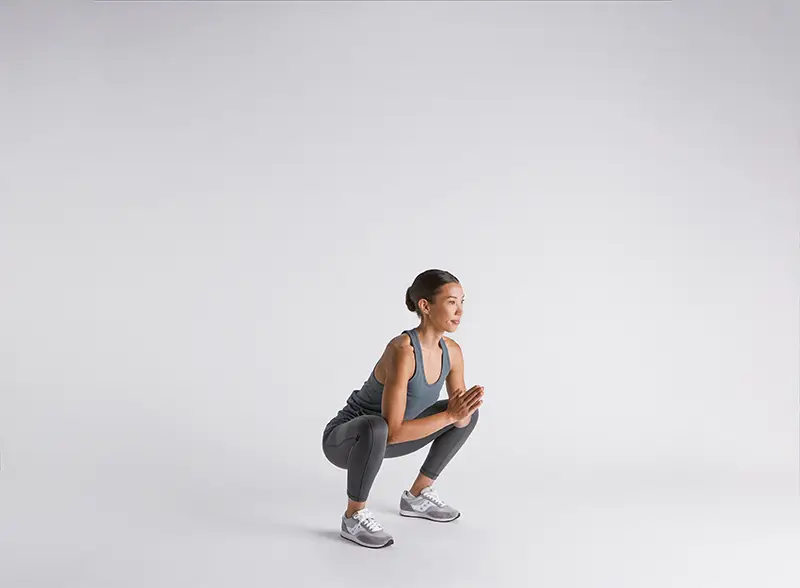
Ultimately, the best pre-workout meal is the one that gives you energy, supports your training, and doesn’t leave you feeling like you have a brick in your stomach halfway through your squats.