As you may have heard, the government has (FINALLY!!!!) flipped the food pyramid and placed a larger emphasis on protein and healthy fats in our diets. We’ve covered protein quite a bit already, so today we’re going to zero in on fats– specifically, the different types and which ones you should prioritize versus avoid.
When you look at a food label, it can sometimes feel confusing trying to figure out what’s “good” and what’s “bad.” With fats, this gets even trickier because most labels only show a total fat number without clearly explaining what type of fat it includes.
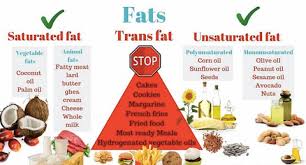
That’s why it’s important to understand the main categories. There are five primary types of fats you should be aware of:
1. Saturated Fats
These are typically “naturally occurring,” meaning they come from real, whole foods.
Examples include butter, cream, cheese, coconut oil, and palm oil.
Saturated fats aren’t the villain they were once made out to be, especially when they come from quality food sources and are consumed in moderation.
2. Trans Fats
This is technically a sub-category of saturated fats– but this one is not natural and should be avoided.
Trans fats are created through processing and hydrogenation.
Common sources include hydrogenated oils, soybean oil, and many other industrial “seed” oils.
If you see “partially hydrogenated” on a label, that’s your cue to put it back on the shelf.
3. Monounsaturated Fats
Monounsaturated fats contain one double bond in their chemical structure. That single bond makes them more flexible and more stable.
Because of this, they’re associated with better heart health and improved cholesterol levels.
Think olive oil, avocados, and many nuts.
These are fats you generally want more of in your diet.
4. Polyunsaturated Fats
Polyunsaturated fats contain two or more double bonds, which makes them essential– your body can’t produce them on its own.
However, those multiple bonds also make them less stable. This category includes omega-3 and omega-6 fatty acids, which play major roles in brain function, hormones, and inflammation.
They’re necessary, but balance matters here. Think salmon, tuna, nuts, seeds, and plant oils.
5. Omegas
Omega fats deserve their own category because of how important they are.
Omega-3s are the “good guys” most people don’t get enough of. They help reduce inflammation and support heart health, brain function, and recovery.
Omega-6s support energy production and cell function, but when consumed in excess, they can promote inflammation.
The goal is balance.
Eat more fatty fish, flax, chia, and seeds.
Eat fewer ultra-processed foods and fried items.
Understanding fats gives you more control over your nutrition. When you know what you’re putting in your body, you’re no longer guessing; you’re making intentional choices that support your health, performance, and long-term results.
Which Fats to Prioritize vs. Avoid
| Category | Type of Fat | Found In | Impact on Health | Recommendation |
|---|---|---|---|---|
| ✅ Prioritize | Monounsaturated Fats | Olive oil, avocados, almonds, cashews, peanuts | Supports heart health, improves cholesterol, reduces inflammation | Make these your main fat source |
| ✅ Prioritize | Omega-3 Polyunsaturated Fats | Salmon, sardines, chia seeds, flaxseed, walnuts, fish oil | Supports brain, heart, joints, and recovery | Aim to include regularly |
| ⚠️ Moderate | Saturated Fats | Red meat, butter, cheese, whole milk, coconut oil | Necessary in small amounts but harmful in excess | Consume in moderation |
| ⚠️ Limit | Omega-6 Polyunsaturated Fats | Vegetable oils, soybean oil, corn oil, fried foods, snacks | Essential but promotes inflammation in excess | Reduce processed sources |
| 🚫 Avoid | Trans Fats | Partially hydrogenated oils, pastries, fried fast food, margarine | Increases heart disease and inflammation | Avoid as much as possible |