
When most people think about lower body muscles, they think glutes, quads, hamstrings, and maybe calves if they’re feeling ambitious. Almost no one talks about the soleus– and that’s probably because you’ve never heard of it.
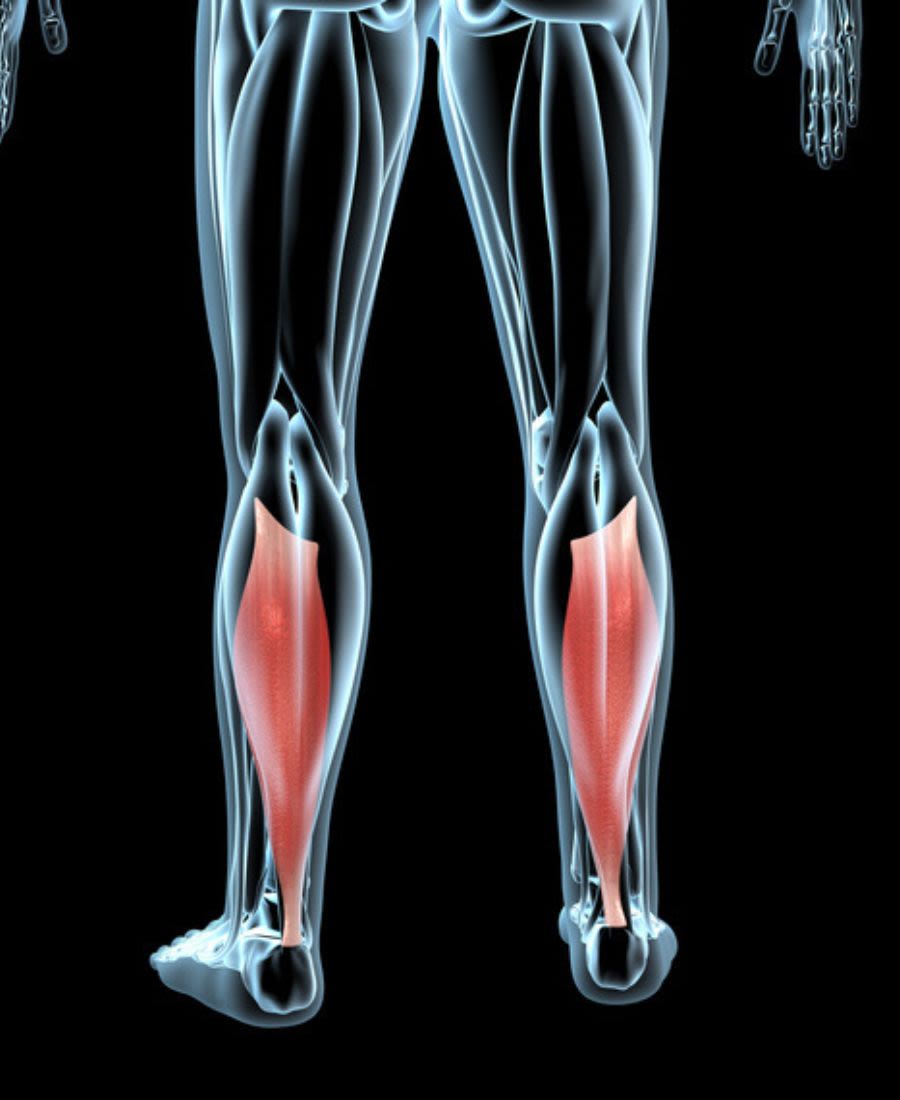
The soleus is a deep calf muscle that sits underneath the larger, more visible gastrocnemius (the muscle that pops when you flex your calf). Unlike the gastroc, which crosses both the knee and ankle, the soleus only crosses the ankle joint. That means it works hardest when your knee is bent.
Its primary job is plantarflexion– pointing your toes downward. But that’s only part of the story.
Why It’s Called the “Second Heart”
The soleus plays a massive role in circulation. When it contracts, it helps pump blood from your lower legs back up toward your heart. This is especially important when you’re standing or sitting for long periods.
Your heart pumps blood down. The soleus helps bring it back up.
That’s why it’s often referred to as the body’s “second heart.” It assists with venous return, helps prevent blood pooling in the lower legs, and supports overall cardiovascular efficiency.
In a world where most of us sit more than we move, that matters.
Why Should I Care?
As we age, circulation can become less efficient. Muscle mass naturally declines, and we tend to move less throughout the day. That combination makes the soleus even more important.
A strong, active soleus helps:
- Improve circulation in the lower legs
- Reduce swelling in the ankles
- Support balance and stability
- Decrease fatigue during walking
- Lower fall risk by improving ankle control
For adults 50 and older, walking endurance and balance are huge indicators of long-term independence. The soleus plays a quiet, but powerful role in both.
It’s not just about performance– it’s about staying mobile, capable, and confident in your movement.
How to Strengthen the Soleus
Because the soleus works most when the knee is bent, straight-leg calf raises won’t fully target it. You need to adjust the position.
1. Seated Calf Raises
Knees bent at 90 degrees. Lift your heels slowly, pause at the top, control the way down. Higher reps (12–20) work well here.
2. Bent-Knee Wall Calf Raises
Stand facing a wall, knees slightly bent. Raise your heels while maintaining that bend. Slow and controlled.
3. Isometric Holds
Hold the top of a bent-knee calf raise for 20–40 seconds. The soleus is endurance-oriented, so holds are very effective.
4. Loaded Carries with a Slight Knee Bend
A subtle bend in the knees while walking under load increases soleus demand.
If you want better endurance, healthier ankles, improved circulation, and more resilient lower legs, you can’t ignore the soleus.
It’s active when you walk. It’s active when you climb stairs. It’s active when you simply stand in line at the grocery store.
Sometimes the muscles you don’t see are the ones doing the most important work.
Train it intentionally, and your body will thank you.