I recently listened to a podcast by cardiologist Dr. Pradip Jamnadas, who discussed the science and potential benefits of fasting. My wife has been following his 36-hour fasting protocol for over a year and has consistently talked about how great she feels afterward. Curious, I decided to try it myself.
I’ll be honest– the first 24 hours were much tougher than I expected. Hunger came in waves, and I found myself thinking about food more often than I’d like to admit. What surprised me most, however, was what happened during the final 12 hours. My energy was steady, my mind felt clear, and I wasn’t nearly as hungry as I thought I would be.
This experience led me to dive deeper into the research and physiology behind fasting.
Why Fasting Makes Sense
For most of human history, food wasn’t available 24 hours a day. Humans evolved over millions of years during periods of both feast and famine. Our bodies developed sophisticated mechanisms to help us survive when food was scarce. Yet today, many of us eat from the moment we wake up until shortly before bed.
Fasting isn’t starvation—it’s simply a period of intentionally going without food to allow the body to tap into its stored energy reserves.
One of the biggest reasons fasting works is its effects on insulin, the body’s primary storage hormone. Every time we eat, insulin rises. When insulin stays elevated throughout the day due to constant snacking and frequent meals, it becomes more difficult for the body to access stored fat for energy.
By extending the time between meals, insulin levels naturally decrease, allowing the body to shift from burning sugar to burning stored fat.
What Happens During a Fast?
During the first 12 hours, your body primarily uses stored carbohydrates (glycogen) for fuel. Between 12 and 24 hours, the liver helps maintain stable blood sugar levels through a process called gluconeogenesis.
After approximately 18 hours, many people begin entering a state called ketosis, where stored fat is broken down and converted into ketones. These ketones can serve as an efficient fuel source for the brain and body, which may explain why many people report improved mental clarity during longer fasts.
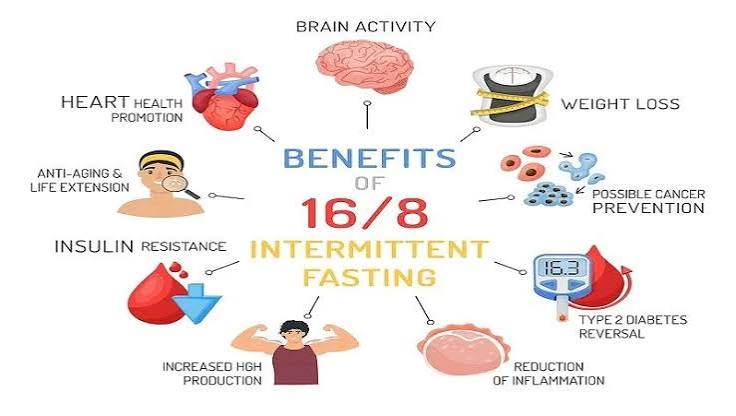
Researchers have also identified several other potential benefits of fasting, including:
– Improved insulin sensitivity
– Increased fat burning
– Cellular cleanup through a process called autophagy
– Increased growth hormone production
– Enhanced focus and alertness
– Activation of cellular repair mechanisms
A Practical Way to Get Started
If you’re interested in trying fasting, there’s no need to jump straight into a 36-hour fast.
Start with time-restricted eating, where you consume all of your meals within a 6–8 hour window and fast for the remaining 16–18 hours. Many people find this approach easier to maintain and still experience improvements in energy, hunger control, and body composition.
As always, focus on eating whole, minimally processed foods during your eating window. Fasting isn’t a license to eat poorly– it works best when combined with quality nutrition and regular exercise.
The Bottom Line
If your goal is to lose body fat, improve metabolic health, or simply challenge your body in a new way, fasting may be worth exploring. While it’s not appropriate for everyone and should be approached carefully– especially for those with diabetes or other medical conditions– it can be a powerful tool when used strategically.
My first 36-hour fast wasn’t easy, but the experience changed the way I think about hunger, energy, and how resilient the human body truly is. Sometimes, doing less (at least when it comes to eating) can actually help us achieve more.
Yours in health,
Nick, Tom and Hunter