
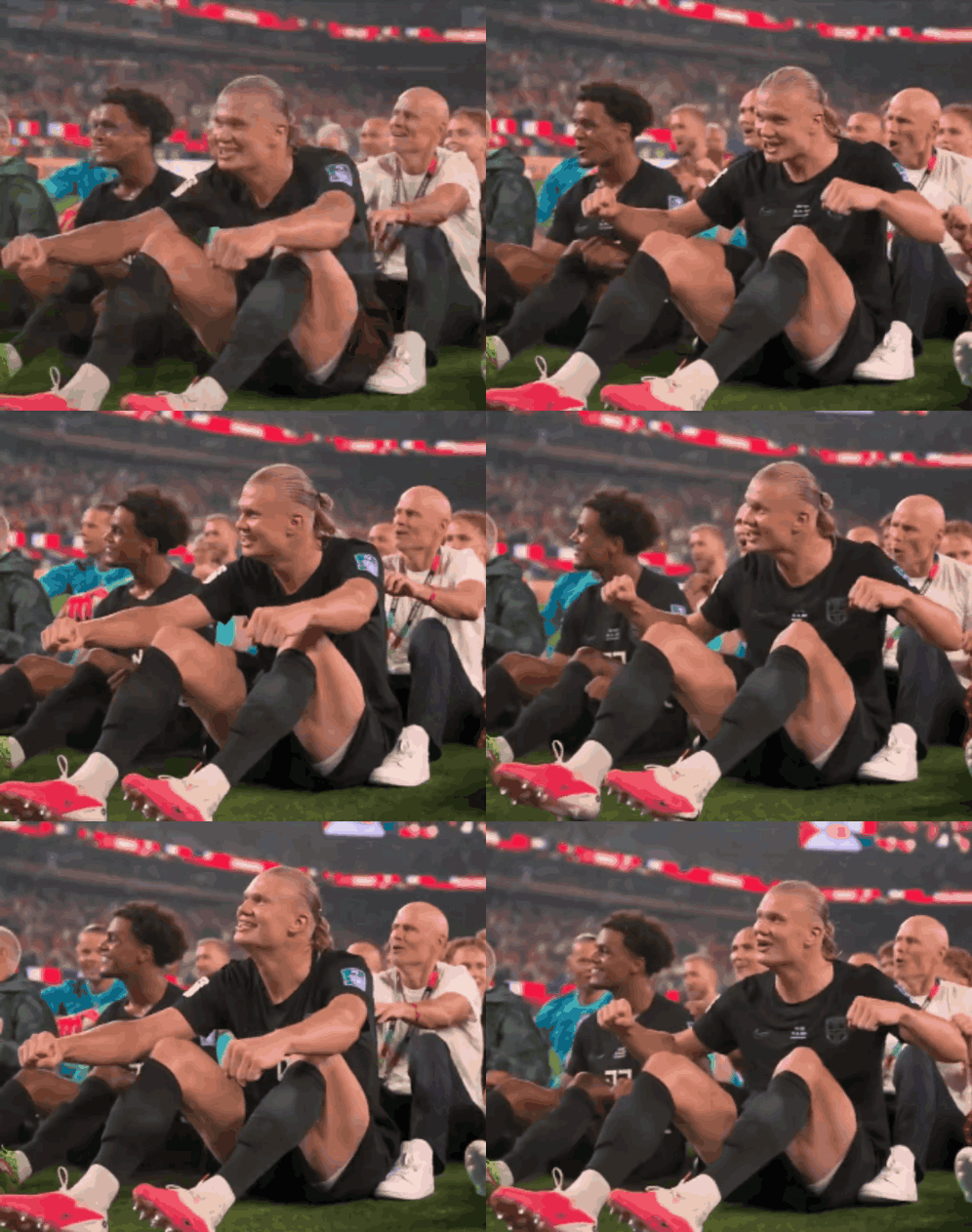
I have found myself glued to the TV watching World Cup matches featuring Norway. I’m not necessarily rooting for them, but I couldn’t stop watching. The way they moved up and down the field was mesmerizing. They looked fast, fluid, coordinated, and completely comfortable playing the game. There was no wasted movement. It seemed like every player could run, cut, change direction, and make plays effortlessly.
Naturally, my coach’s brain kicked in.
How does a country with only about 5.5 million people consistently produce world-class athletes like Erling Haaland, and field teams that move so well?
As it turns out, their approach isn’t complicated at all.
In the United States, we often feel pressure to pick one sport early and go all in. Travel teams at age eight. Year-round schedules. Extra lessons. More tournaments. More practices. More, more, more.
Norway has taken a different route. Most Norwegian kids play multiple sports throughout their childhood. Soccer, skiing, handball, biking, hiking—you name it. They move in different ways, challenge their bodies in different environments, and spend a lot of time simply being active.
And here’s the crazy part: They don’t obsess over winning when kids are young. Instead, they focus on helping children develop a love for movement.
Imagine that.
Rather than creating miniature professionals, they’re creating kids who enjoy being active. They build coordination, balance, speed, body awareness, and problem-solving skills through a variety of experiences. By the time they decide to specialize in a sport, they have developed a tremendous athletic foundation.
At On Point Fitness Club, we call this building habits for life.
Because before an athlete can become exceptional at a sport, they first need to become athletic.
Norwegian philosophy doesn’t stop with sports. They also embrace a lifestyle called friluftsliv, which essentially means “open-air living.” Spending time outdoors isn’t an occasional activity– it’s part of everyday life. Hiking, skiing, walking, and exploring are simply what people do.
Movement isn’t punishment. It isn’t a chore.
It’s just life.
Then there’s nutrition. Erling Haaland has become nearly as famous for his eating habits as his goal-scoring ability. He reportedly prioritizes high-quality proteins, fish, organ meats, hydration, and nutrient-dense whole foods.
No, I’m not suggesting your 14-year-old soccer player needs to start eating beef heart for breakfast. But there is a lesson here.
Elite performance is built on simple habits done consistently. Fuel your body with foods that support recovery and energy. Prioritize protein. Eat plenty of fruits and vegetables. Choose foods that come from the ground, swim in the ocean, or walk on four legs more often than foods that come from a box.
The real takeaway from Norway isn’t that they have some secret formula.
It’s that they play the long game.
They develop athleticism before specialization. They encourage kids to move because it’s fun. They spend time outdoors. They eat foods that nourish their bodies. Then, over time, remarkable athletes emerge.
So here’s my challenge for you this week:
Parents: Before signing your child up for another lesson or tournament, ask yourself, “Are they becoming a better athlete, or are they simply doing more?”
Athletes: Spend an hour outside this week. Play another sport. Throw a football, ride a bike, shoot baskets, go for a hike, or organize a pickup game with friends. Then eat a meal made mostly of whole foods.
Sometimes the biggest breakthroughs don’t come from doing more. They come from getting back to the basics.
Yours in health,
Nick, Tom, and Hunter