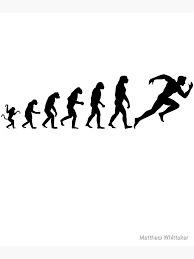
Humans from birth come hardwired with primal instincts that help us develop basic movement skills- i.e. breathing, swallowing, lifting our heads, rolling over, coughing, and sneezing. When an infant moves past the six month mark, things start to pick up quickly. Crawling, reaching, and grabbing become more natural, as muscle and bone structures begin developing and preparing us for standing and walking.
From ages one to three, skill acquisition really takes off. Children watch everything around them and start testing their limits– jumping, running, climbing, throwing. It’s pretty amazing how quickly a toddler can pick up a new skill and run with it.
Around ages 10–12, things start to change. Hormones begin to ramp up, growth spurts come in waves, and coordination can feel a little all over the place. At this stage, movement is still critical, but now we have an opportunity to guide it.
Organized sports and free play will naturally develop speed and agility, but this is also the perfect time to introduce structured strength training. And when I say strength training, I’m not talking about maxing out lifts. I’m talking about mastering the basics: Squat, hinge, push, pull, and carry.
The goal here is simple: To teach adolescents how to move well. The weights are just a tool to reinforce good positions and build a strong, stable, and injury-resistant foundation. As they gain experience and confidence, we can start to layer in more advanced elements such as jumping, sprinting, and power-based movements, like kettlebell swings or medicine ball work. As their “training age” increases, so does their ability to handle more complex and demanding training.
Then we hit the high school years (14–18), where everything accelerates. With testosterone and estrogen at their peak, the body is primed for growth. If a solid foundation has already been built, this is where strength, speed, and power can improve rapidly. This is when more advanced methods, such as absolute strength training, can be introduced safely and effectively, leading to stronger, more resilient athletes who are better prepared for sport and life.
Why This Matters
The biggest takeaway here is that athletic development isn’t something that starts in high school– it’s something that’s built over time. The earlier we can guide movement, teach proper mechanics, and build confidence, the better the long-term outcome. And it’s not just about sports. It’s about building strong, capable, resilient humans.
What’s Coming Next
This summer, we’re going to put this into action. We’ll be rolling out our youth training class focused on exactly what we’ve talked about here– teaching proper movement, building strength the right way, and helping adolescents develop confidence in how they move.
If you have a child in that 10–14 age range and want to set them up for long-term success (both in sports and beyond), this is the perfect opportunity.
More details to come soon!
Until next time,
Tom, Nick, and Hunter