Stretching– we all know we should be doing more of it! However, it’s usually the first thing we skip when we’re short on time. On top of that, there’s no shortage of conflicting information about what type of stretching is considered best.
It always has to be what’s best, doesn’t it?
Well in this case, doing ANY stretching is best. Doing something consistently will always beat doing nothing perfectly. That said, when and how you stretch does matter.
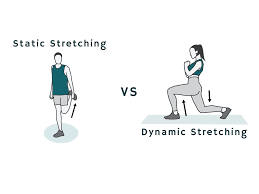
There are two main types of stretching you should understand: Dynamic stretching and static stretching.
Dynamic stretching = Prepare to Move
Dynamic stretches involve moving parts of your body through their full range of motion in a controlled manner. It is best used as a warm-up to prepare muscles for exercise by increasing blood flow and flexibility. Think exercises such as glute bridges, torso rotations, bird dogs or any other exercises we typically do during warm-ups.
The goal is to enhance mobility and coordination while minimizing injury risk. Instead of forcing muscles to relax, you’re teaching them to move efficiently. That’s why this method works so well before strength training, sports, or any intense activity.
Static stretching = Recovery and Reset
Static stretching is what most people think of when they hear the word “stretch.” Static stretches involve elongating a muscle to its maximum length and holding it in that position for a period of time, typically between 60 and 120 seconds, without any movement. This method helps improve long-term flexibility and range of motion. It also promotes relaxation and helps reduce muscle tension after hard training. Here are two good examples of static stretching: Couch stretch and Bretzel stretch
Static stretching is best used after workouts or on recovery days, not before intense exercise. Doing long static holds before training can actually reduce power output and make muscles feel sluggish.
You don’t need to choose one style forever. You need both.
Use dynamic stretching to prepare your body to perform.
Use static stretching to help itrecover and stay mobile.
When stretching becomes part of your routine instead of an afterthought, your movement improves, your workouts feel better, and your body thanks you long-term. Small habits done consistently always win.